The Complete Medical Guide
2025
ACL Surgery
Everything You Need to Know in One Place
Your complete guide to anterior cruciate ligament (ACL) surgery: from understanding the injury and diagnosis, through the types of surgery and cost, to full recovery and returning to sports. All the information you need before making your decision.
What Is ACL Surgery in Brief?
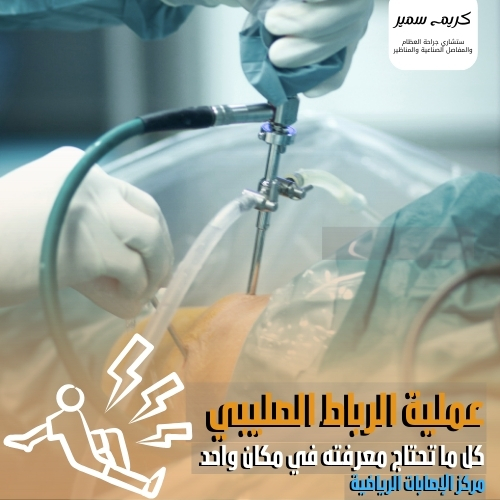
ACL surgery is an arthroscopic procedure to reconstruct a torn anterior cruciate ligament (ACL).
The damaged ligament is replaced with a tendon graft taken from the patient's own body (the patellar tendon or the hamstring tendons) or from a donor.
The surgery takes 60-90 minutes, with a success rate of 90-95%.
Full recovery takes 6-9 months, with an intensive rehabilitation program to return to sports.
Contents of This Guide
Click any section to jump straight to it
What Is the Anterior Cruciate Ligament? And Why Is It Important?
Anterior Cruciate Ligament (ACL)
Knee Anatomy
Knee Ligaments
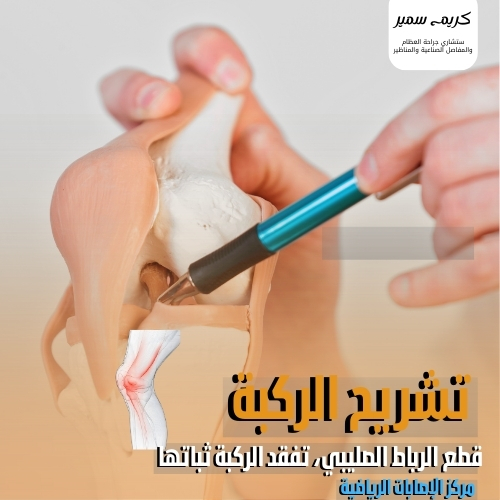
The Anterior Cruciate Ligament (ACL) is one of the four main ligaments that connect the thigh bone (femur) to the shin bone (tibia) inside the knee joint. It is called "cruciate" because it crosses the posterior cruciate ligament in an X shape inside the joint.
Vital Functions of the ACL:
-
Preventing forward sliding: It stops the shin bone from sliding forward relative to the thigh bone.
-
Controlling rotation: It controls the rotation of the knee, especially when changing direction.
-
Joint stability: It provides dynamic stability to the knee during movement and sports.
Why Is an ACL Injury Serious?
When the ACL is torn, the knee loses its dynamic stability, which leads to:
a feeling of instability during movement, difficulty in sports that require quick changes of direction,
and an increased risk of damage to the cartilage and other ligaments over time.
Key Statistics
- 200,000+ ACL injuries occur every year in the United States alone
- Women are 2-8 times more likely to be injured than men
- 70% of injuries happen without direct contact
- Sports with the most injuries: football (soccer), basketball, skiing
Causes of an ACL Tear and Risk Factors
Causes of ACL Injury
Sports Injuries
Risk Factors
An ACL tear usually happens as a result of a sudden movement that puts great stress on the ligament. Most injuries (about 70%) occur without direct contact with another player.
Sudden Twist With a Planted Foot
The most common cause. It happens when changing direction quickly while running with the foot staying fixed on the ground. Common in football (soccer) and basketball.
Awkward Landing After a Jump
Landing incorrectly on a locked-straight or bent knee after a jump. Common in volleyball, basketball, and gymnastics.
Sudden Stop
Stopping suddenly from high speed puts enormous stress on the ACL. Common in football (soccer) and tennis.
Direct Blow to the Knee
A direct impact to the side of the knee (30% of cases). Common in traffic accidents and contact sports such as rugby.
Factors That Increase the Risk of Injury
- Gender: Women are 2-8 times more likely to be injured due to anatomical and hormonal factors
- Muscle weakness: Weak thigh muscles and muscle imbalance
- Type of sport: Sports that require quick changes of direction and jumping
- Playing surface: Hard fields or old artificial turf
- Footwear: Shoes with long cleats that over-anchor the foot
Symptoms of an ACL Tear and How It Is Diagnosed
ACL Symptoms
Diagnosing an ACL Tear
Knee Examination
Immediate Symptoms at the Moment of Injury:
-
An audible "pop": Most patients hear or feel a "pop" at the moment of the tear.
-
Rapid, severe swelling: The knee swells within a few hours because of internal bleeding.
-
Sharp pain: Severe pain that prevents continuing the sporting activity.
-
Inability to stand: Difficulty or impossibility of putting weight on the injured knee.
Ongoing Symptoms After the Injury:
-
Knee instability: A feeling that the knee "gives way" or "dislocates", especially when changing direction.
-
Difficulty moving: Limited range of motion in the knee, especially full bending.
How Is It Diagnosed?
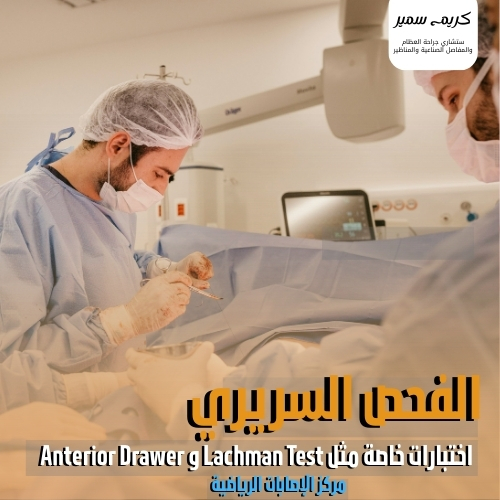
1. Clinical examination
Special tests such as the Lachman Test and the Anterior Drawer Test to assess knee stability.
2. Magnetic resonance imaging (MRI)
The most accurate way to see the ligament and determine the degree of the tear and any associated injuries.
3. X-rays
Used to rule out fractures, but they do not show the ligaments themselves.
Treatment Options: Do You Need ACL Surgery?
ACL Treatment
Conservative Treatment
When Surgery Is Needed
Not every ACL tear requires surgery. The decision depends on several factors:
Conservative Treatment (Non-Surgical)
Suitable in the following cases:
- A partial rather than a complete tear
- Older adults or people with low activity levels
- Those who don't play high-impact sports
- Acceptable knee stability
- Willingness to change lifestyle
Includes:
Intensive physical therapy + a knee brace + muscle strengthening
Surgical Treatment (ACL Surgery)
Necessary in the following cases:
- A complete tear with clear instability
- Athletes who want to return to sports
- Young, physically active patients
- Associated injuries (cartilage, other ligaments)
- Failure of conservative treatment
Result:
Stability restored in 90-95% of cases
Who Decides?
The final decision is made between the patient and the orthopedic surgeon after a comprehensive assessment that includes:
the degree of the tear, activity level and sporting goals, age and general health,
and the presence of associated injuries.
Details of Arthroscopic ACL Surgery
ACL Surgery
Arthroscopic Surgery
ACL Reconstruction
ACL surgery is performed arthroscopically (Arthroscopy) through small incisions, and aims to replace the torn ligament with a new tendon graft.
Steps of the Surgery:
-
Anesthesia: General or spinal anesthesia, depending on the case and the patient's preference.
-
Small incisions: 2-3 small openings (5-10 mm) to insert the camera and instruments.
-
Joint inspection: A thorough examination of the knee and treatment of any associated injuries (cartilage).
-
Graft preparation: Harvesting the tendon graft from the patient's body or using a donor graft.
-
Drilling the tunnels: Drilling channels in the thigh bone and shin bone to pass the new graft through.
-
Fixation: Securing the graft with absorbable screws or metal buttons.
Surgery Information
- Duration of surgery: 60-90 minutes
- Hospital stay: One day, or same-day surgery
- Type of surgery: Arthroscopic (small scars)
Advantages of Arthroscopic Surgery:
- Small incisions and smaller scars
- Less pain after surgery
- Faster recovery
- High precision and visibility
- Lower risk of infection
Types of Tendon Grafts Used in ACL Surgery
Patellar Tendon Graft
Hamstring Tendon Graft
Donor Graft
Choosing the type of tendon graft is one of the most important decisions in ACL surgery. Each type has its own advantages and disadvantages:
| Graft Type | Source | Advantages | Disadvantages | Best Suited For |
|---|---|---|---|---|
| Patellar Tendon (BTB) | The middle portion of the patellar tendon with a piece of bone | Strong bone-to-bone healing, excellent stability | Possible anterior knee pain, difficulty kneeling | Professional athletes |
| Hamstring Tendons | Hamstring tendons (Semitendinosus + Gracilis) | Less pain, smaller scar | Slightly slower healing | Most patients |
| Donor Graft (Allograft) | From a tissue bank (deceased donor) | No pain at the harvest site, shorter surgery | Higher cost, theoretical risk of rejection | Older patients, revision surgery |
| Quadriceps Tendon | The middle portion of the quadriceps tendon | Good thickness, flexibility | Less commonly used, less surgeon experience | Special cases |
How Is the Choice Made?
The surgeon chooses the graft type based on: the patient's age, level of sporting activity,
type of sport, patient preference, and the surgeon's experience.
There is no absolute "best" - each type is excellent in the cases it suits.
Stages of Recovery After ACL Surgery
Recovery After Surgery
Physical Therapy
Return to Sports
Recovery from ACL surgery is a gradual process that takes 6-9 months for a full return to sports. Sticking to the rehabilitation program is the key to success.
Weeks 1-2
Protection and Swelling Control
Rest with the leg elevated, ice packs, pain relievers, a knee brace,
and walking with crutches with partial weight-bearing. Start simple exercises to move the knee.
Weeks 2-6
Restoring Motion and Starting Strengthening
Gradually increasing range of motion, getting off the crutches (4-6 weeks),
quadriceps strengthening exercises, and walking normally with care.
Months 2-3
Muscle Strengthening
Advanced resistance exercises, stationary bike, swimming,
and improving balance and joint position sense.
Months 3-6
Sports Rehabilitation
Starting light jogging (months 3-4), agility exercises,
and gradual sport-specific training.
Months 6-9
Return to Sports
Return-to-sport readiness tests, full training with the team,
and a return to competitive matches (9-12 months for high-impact sports).
Important Warning
Don't rush back to sports! Returning early, before rehabilitation is complete,
significantly increases the risk of re-tearing. You must pass specific functional tests
and get clearance from your doctor and physical therapist.
Risks and Complications of ACL Surgery
Surgery Risks
Possible Complications
Success Rate
ACL surgery is generally safe with a high success rate (90-95%), but like any surgery there are potential risks you should know about:
Rare Complications (<1-2%)
- Infection (0.5-1%)
- Blood clots
- Nerve or blood vessel injury
- Permanent knee stiffness
Possible Complications (5-15%)
- Anterior knee pain
- Temporary stiffness
- Weakness at the graft harvest site
- Graft failure and re-tear (5-10%)
How to Reduce the Risks
- Choose a specialized, experienced surgeon
- Follow the pre- and post-operative instructions
- Complete the full rehabilitation program
- Don't rush back to sports
Bottom Line: The Surgery Is Safe and Effective
Despite the potential risks, the success rate of ACL surgery
ranges from 90-95% in restoring knee stability,
and 85% of athletes return to their sport.
Frequently Asked Questions About ACL Surgery
The success rate of ACL surgery ranges from 90-95% in restoring knee stability. Around 85-90% of athletes return to their sport, and 65-75% return to their pre-injury level. The rate of graft failure and re-tear is about 5-10% within 10 years.
ACL surgery is considered generally safe. The rate of serious complications (infection, blood clots) is less than 1-2%. Minor complications (pain, temporary stiffness) are more common but improve with time and physical therapy. Read more about the risks →
You can walk with crutches on the day of surgery or the next day with partial weight-bearing. Getting off the crutches and walking normally usually takes 4-6 weeks, depending on recovery. Read the full guide to walking after surgery →
Yes, most people with an ACL tear can walk once the initial pain and swelling subside (a week or two). But the problem is knee instability during activities that involve changing direction or pivoting. Read more →
The cost of ACL surgery in Egypt ranges from 50,000 - 120,000 EGP, in Saudi Arabia 20,000 - 50,000 SAR, and in the UAE 35,000 - 80,000 AED. The price depends on: the hospital, the surgeon's experience, and the type of graft used. Read the full pricing guide →
Returning to high-impact sports (football/soccer, basketball) takes 9-12 months on average. Light jogging starts after 3-4 months, and light sports (swimming, cycling) after 2-3 months. You must pass specific functional tests before returning to competitive sports.
Need a Consultation About ACL Surgery?
Get an accurate medical assessment from a consultant specialized in knee surgery and sports injuries. We'll help you understand your condition and choose the best treatment option for you.