
🏥
Complete Medical Guide
Hip Replacement Surgery: A Complete Guide to Recovery and Life After Surgery
Welcome to the complete guide on hip replacement surgery. We'll answer all your questions, from preparing for surgery to returning to a normal, pain-free life.
Important notice: This information is for awareness purposes only and
does not replace consulting a specialist physician.

What Is Hip Replacement Surgery?
Definition of the Procedure
Hip replacement surgery is a surgical procedure in which the damaged joint is replaced with an artificial one, aiming to relieve pain and fully restore the joint's range of motion.
Goals of the Surgery
- Relieving chronic pain in the hip joint
- Restoring the patient's ability to walk and move freely
- Improving overall quality of life
- Addressing structural damage to the joint
Who Needs Hip Replacement Surgery?
Conditions that require hip joint replacement include:
- Rheumatoid arthritis: joint damage resulting from an autoimmune disease
- Hip osteoarthritis: cartilage wear with advancing age
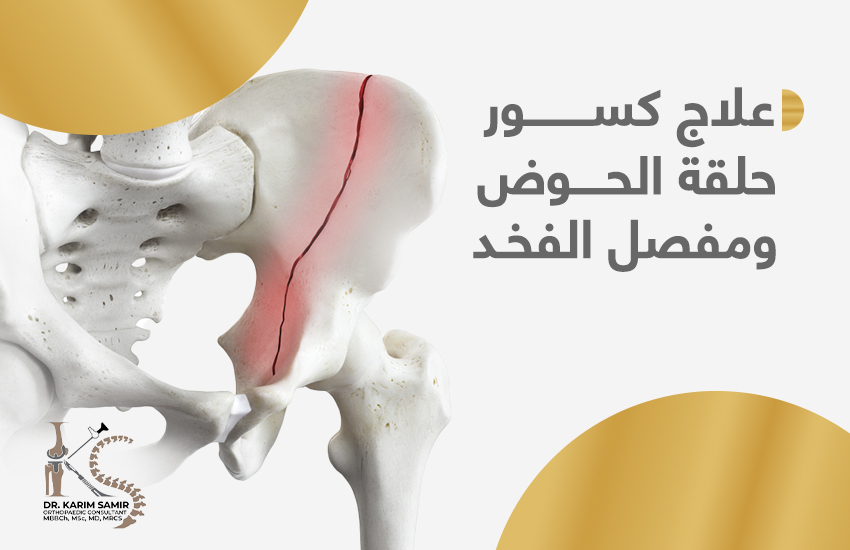
- Hip fractures: especially in elderly patients
- Avascular necrosis of the femoral head: death of bone tissue
- Hip joint tumors: rare cases requiring resection
Preparing for Hip Replacement Surgery
Pre-Surgery Tests and Evaluations
Before performing hip replacement surgery, the doctor carries out a series of evaluations and tests:
- Comprehensive clinical examination to assess the joint's condition and range of motion
- X-rays to assess the degree of joint damage
- MRI scan in certain cases to evaluate soft tissue
- Blood tests to ensure the body is fit for surgery
- Heart and lung evaluation for patients with chronic conditions
- Consultation with an anesthesiologist to determine the best anesthesia method
Pre-Surgery Tips and Guidelines
Surgery Preparation Timeline
- One month before: begin a light walking program and muscle strengthening
- Two weeks before: stop medications that affect blood clotting (such as aspirin)
- One week before: arrange your home for post-surgery rest
- Two days before: fast according to your doctor's instructions
- Day of surgery: arrive at the hospital at the scheduled time

Surgical Alternatives
| Option | Description | When It's Suitable |
|---|---|---|
| Physical therapy | Strengthening and rehabilitation exercises | Mild, early-stage cases |
| Medication | Pain relievers and anti-inflammatories | Mild to moderate pain |
| Injections | Cortisone or hyaluronic acid | Temporary pain relief |
| Surgery | Artificial hip joint replacement | Failure of other treatments |
How Is Hip Replacement Surgery Performed?
A Simplified Explanation of the Procedure
Hip replacement surgery usually takes 1–3 hours, during which the damaged parts of the hip joint are replaced with artificial ones made of durable materials.
Types of Surgery
The doctor can choose the appropriate type based on the patient's condition and surgical experience
Traditional Surgery
- Surgical incision of about 10–30 cm
- Clear view of the joint
- Suitable for complex cases
Minimally Invasive Surgery
- Smaller surgical incision, 5–10 cm
- Less tissue damage
- Faster recovery
Detailed Surgical Steps
- General or spinal anesthesia
- Surgical incision according to the chosen type
- Tissue separation to reach the joint
- Removal of the damaged joint (femoral head and hip socket)
- Fitting the artificial joint securely
- Surgical closure with placement of drainage tubes
- Wound closure and dressing

Types of Artificial Hip Joints
| Type | Materials | Advantages | Suitable For |
|---|---|---|---|
| Metal-on-plastic | Cobalt-chromium / polyethylene | Proven long-term durability | Elderly and less active patients |
| Metal-on-ceramic | Cobalt-chromium and ceramic | Reduced wear | Active patients |
| Ceramic-on-ceramic | Ceramic / ceramic | Lowest wear rate | Young and very active patients |
Is Hip Replacement Surgery Dangerous?
Note: All potential risks should be discussed with your doctor before making a decision
Potential Risks and Complications
Like any surgical procedure, hip replacement surgery carries some risks:
- Infection: at the surgical site (1–2%)
- Blood clots: in the legs or lungs
- Dislocation of the artificial joint: especially in the first few weeks
- Leg length discrepancy: can be minor
- Wear of the artificial joint: over the long term
- Nerve or blood vessel damage: very rare
- Joint stiffness: may require physical therapy
Factors That Reduce Risk
- Choosing a specialized, experienced surgeon
- Having it performed at a specialized, well-equipped hospital
- Closely following pre- and post-surgery instructions
- Committing to the rehabilitation program
- Maintaining a healthy weight
- Avoiding high-risk activities
The success rate of hip replacement surgeries exceeds 95% when the right patients are selected
The Recovery Period After Hip Replacement Surgery
Stages of Healing
Recovery Timeline
First week: in the hospital, starting to walk with crutches
2–4 weeks: transitioning home, continuing physical therapy
1–3 months: noticeable improvement in mobility, walking without assistance
3–6 months: return to normal daily activities
Full year: complete recovery of joint function
Hospital Care
- Continuous monitoring of vital signs
- Pain management with appropriate medications
- Anticoagulants to prevent blood clots
- Starting physical therapy after 24 hours
- Movement instructions to prevent joint dislocation
When Does Walking Begin After Hip Replacement?
Walking after hip surgery begins in stages:
- After 24 hours: sitting in a chair
- After 48 hours: standing with a walker
- After 3–4 days: taking a few steps with crutches
- After one week: walking longer distances
- After 4–6 weeks: walking without assistance

Physical Therapy and Rehabilitation Program
Phase One (First Two Weeks)
- Gentle range-of-motion exercises
- Muscle exercises to aid stability
- Learning to walk with crutches
Phase Two (2–6 Weeks)
- Increasing strength of the muscles surrounding the joint
- Improving balance
- Gradually transitioning to walking without assistance
Phase Three (6–12 Weeks)
- Advanced muscle-strengthening exercises
- Returning to daily activities
- Preparing for light sports activities
Nutritional Tips to Boost Healing
Proper nutrition plays a vital role in faster recovery
- Protein: for tissue growth and wound healing
- Calcium and vitamin D: for bone health
- Vitamin C: for collagen formation
- Iron: to avoid anemia after surgery
- Fiber: to prevent constipation caused by medications
- Drinking enough water (8–10 glasses per day)
Life After Hip Replacement Surgery
Permitted Activities
After hip recovery, you can engage in most daily activities:
- ✅ Walking and light jogging
- ✅ Swimming and stationary cycling
- ✅ Simple dancing
- ✅ Doubles tennis and golf
Prohibited Activities
- ❌ Jumping and fast running
- ❌ Lifting heavy weights
- ❌ High-risk sports
- ❌ Certain sitting positions (such as crossing your legs)
Expected Lifespan of an Artificial Hip Joint
| Joint Type | Expected Lifespan | Success Rate |
|---|---|---|
| Metal-on-plastic (wear rate: 0.1mm/year) | 15–20 years | 90–95% |
| Ceramic-on-ceramic (wear rate: 0.001mm/year) | 25–30 years | 95–98% |
| Metal-on-metal (wear rate: lower) | 20–25 years | 85–90% |
When Is Revision Surgery Needed?
Revision surgery may be necessary in the following cases:
- Wear of the artificial hip joint after 15–20 years
- Recurrent dislocation of the joint
- Infection in the artificial joint
- Fractures around the joint
- Persistent pain that doesn't respond to other treatments
Periodic follow-up with your doctor every 1–2 years to monitor the joint's condition
Frequently Asked Questions About Hip Replacement Surgery
How long does hip replacement surgery take?
▼
Hip replacement surgery usually takes between 1 and 3 hours, depending on the type of surgery and the patient's condition. After surgery, the patient typically spends two to four days in the hospital for follow-up and to begin the rehabilitation program.
What is the cost of hip replacement surgery?
▼
The cost of hip replacement surgery typically ranges between:
- \$15,000 – \$30,000 in the United States
- \$8,000 – \$15,000 in developed Western countries
- \$5,000 – \$12,000 in East Asian countries such as India and Thailand
The cost includes: the surgery, hospital stay, artificial joint, and physical therapy. Health insurance can cover a significant portion of the cost depending on the plan and the medical reason for the surgery.
How do I choose the right surgeon and hospital?
▼
When choosing a hip surgeon and hospital:
- Choose a surgeon specialized in joint surgery
- Ask how many procedures they have performed (ideally more than 50 per year)
- Verify their certifications and training
- Choose a hospital equipped with a specialized orthopedic department
- Ask about success rates and complication rates
- Read reviews from previous patients
Can I travel by air after the surgery?
▼
In general, air travel is possible after:
- 2–3 weeks: for short flights (under an hour)
- 4–6 weeks: for long flights
You should consult your doctor and make sure to:
- Wear compression stockings
- Move regularly during the flight
- Drink plenty of water
- Get an aisle seat (to allow leg extension)
Will I feel the artificial joint in my body?
▼
In most cases, patients do not feel the artificial joint after the initial recovery period. There may be:
- A feeling of heaviness at first (fades with adjustment)
- Different movement patterns (improve with physical therapy)
- Sensitivity to weather changes (in some patients only)
Most patients completely forget the artificial joint is there after 6–12 months.
When Should You See a Doctor After Surgery?
Emergency situations — call your doctor immediately:
- Fever of 38°C (100.4°F) or higher
- Severe redness or swelling at the wound site
- Severe pain that doesn't respond to medication
- Difficulty breathing or chest pain
- Pain and swelling in the leg
Routine Appointments
- Two weeks after surgery: stitch removal and wound follow-up
- 6 weeks: assessment of movement and progress
- 3 months: X-ray to confirm joint stability
- 6 months: full condition assessment
- 1 year: annual periodic follow-up
Symptoms That Require Medical Consultation
- Gradually increasing pain
- Persistent stiffness in the joint
- Unusual grinding or clicking sounds
- Increasing difficulty walking
- Noticeable difference in leg length